
Those who’ve known me for a while will know I dabble in woodworking. Nothing too fancy, just an activity I enjoy. There’s something deeply satisfying about woodworking as a process, but also in appreciating a well-crafted project – the kind where you can see and feel the maker’s skill in every detail.
Crafted timber has a quiet steadiness to it. A mix of natural materials, earthy scent and patient attention.
It may be a bit of a stretch, but woodworking can be a helpful metaphor for financial decision-making. It’s hands‑on, requires patience, and is deeply intentional – all qualities which help when it comes to managing money.

It has me thinking about what other insights woodworking can offer, things like:
Measure twice, cut once (Plan before you act)
Better financial decisions often come from slowing down long enough to check your assumptions. With a little extra planning upfront – like running the numbers, understanding risks and clarifying your goals – you’re more likely to prevent costly mistakes in the future.
Choose the right timber (and the right investments)
Every piece of wood has its own strengths, but so do investments. Some are built for growth, others for stability, others for income. Finding the right balance can be key to what you’re trying to build.

Keep your tools sharp (and your financial systems in top shape)
A woodworker doesn’t wait for a chisel to go blunt before maintaining it. In money terms, your ‘tools’ can include things like tax planning, insurance, investment strategy and managing cash‑flow. Everything else becomes easier when you tend to them. So be proactive and, if you need help, seek advice early on.
Find a good workbench (and a strong financial foundation)
Every project needs a solid base. Without a stable bench, even the best craftspeople can get the wobbles. In money terms, a strong foundation includes reliable income, knowing your expenses and setting clear and realistic goals.
Use clamps for stability (and build financial buffers)
Clamps hold pieces steady while the glue sets. And financial buffers – like emergency funds, offsets and sensible debt levels – can all help to keep your structure stable as you build wealth. They give you room to breathe and help ensure your choices are well-considered.
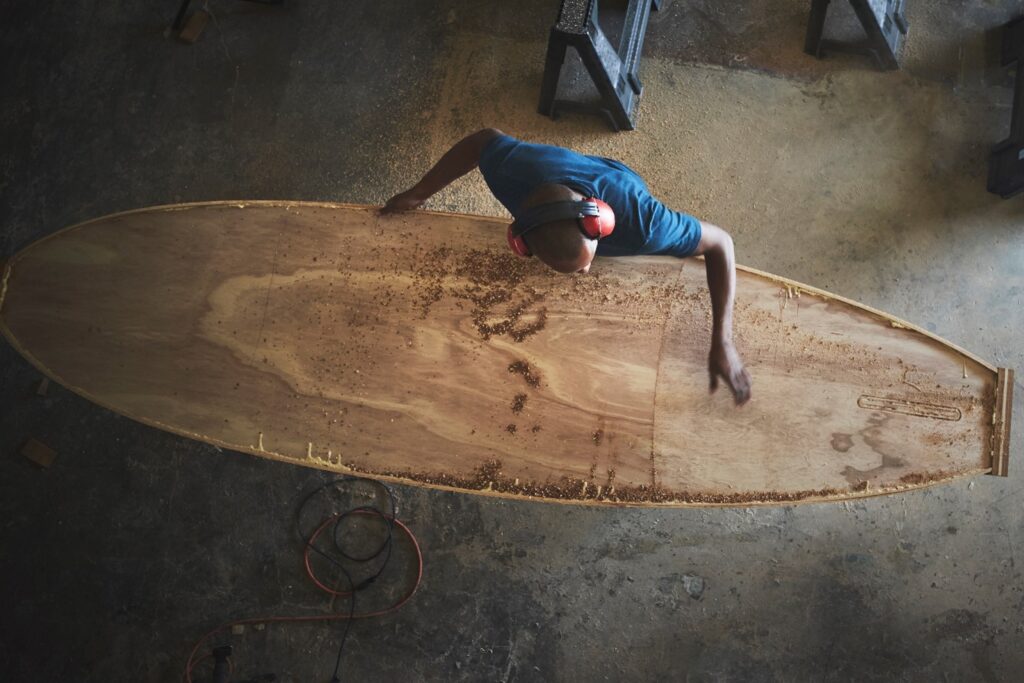
Sanding takes time (Just like building wealth)
Sanding can be slow, repetitive, but essential. Wealth can work in the same way; it’s often the small, incremental improvements over time that make a difference. A good finish comes from patience, not shortcuts.
Finish and seal (Protect what you’ve built)
Once a piece is crafted, you seal it to protect the work. Wealth is no different. Insurance, estate planning, and smart structuring all help to preserve what you’ve built so it lasts.
Work with the grain (Align your money with your values)
Push wood against its grain and it splinters. Push your finances in a direction that doesn’t suit your values or lifestyle and stress can follow.
Aligning your money with what matters to you creates smoother progress and better long‑term decisions.
At Align, it’s what we’re all about.
For financial advice that stays true to the line, call me at Align Financial on (02) 9913 9995.
